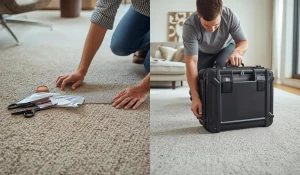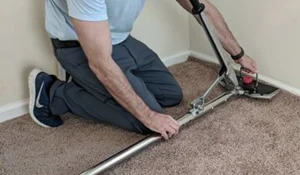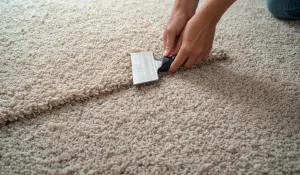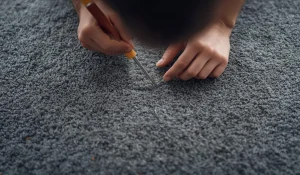
Here’s the bit nobody tells you when you sign a lease: a spotless carpet and an undamaged carpet are not the same thing. You can hire the best steam cleaner in the state, get a receipt to prove it, and still lose part of your bond — because the inspector isn’t checking for smell or stains. They’re checking for damage. Cleaning and repair solve two completely different problems, and confusing them is one of the most expensive mistakes a tenant can make at the end of a lease.
This mix-up costs Australian renters hundreds, sometimes thousands, of dollars every year. So let’s untangle it before your final inspection does it for you.
Why Cleaning Alone Won’t Save Your Bond?
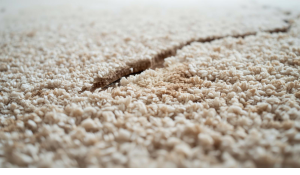
Most lease agreements require the carpet to be professionally cleaned before you hand back the keys. That part is well known. What’s less understood is that a clean carpet with a burn mark, a loose seam, or a pulled thread is still a damaged carpet — and no amount of steam cleaning fixes that.
Property managers are trained to look past surface dirt and inspect the structure of the carpet: seams at doorways, edges near skirting boards, high-traffic zones, and anywhere furniture used to sit. If you’re unsure where responsibility for a specific mark or tear actually sits, this tenant and landlord guide to rental carpet damage breaks down what counts as fair wear and tear versus tenant-caused damage.
Key takeaway: cleaning addresses hygiene, repair addresses integrity. An inspection checks both, separately.
What “Fair Wear and Tear” Actually Covers?
Landlords can’t charge you for a carpet simply looking a little tired after two or three years of normal living. Fading from sunlight, slight flattening from foot traffic, and minor colour change from humidity typically fall under fair wear and tear — not something you’re required to fix. If you’re in a humid climate and noticing warping or a musty smell, it’s worth understanding how humidity affects carpet condition before you assume you’re liable for it.
What does not fall under fair wear and tear:
- Rips, tears, or burns
- Pet scratches or stains that have soaked into the underlay
- Gaps or fraying at doorway seams
- Rippling or bubbling from poor maintenance
If your damage falls into any of those categories, cleaning it won’t change the outcome of your inspection.
The Doorway Seam Problem Almost Nobody Notices
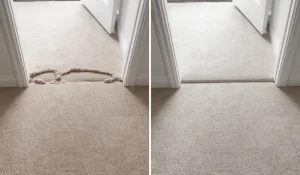
Doorway seams take more abuse than any other part of a rental carpet — shoes, moving boxes, pets, foot traffic funneling through a narrow space. It’s incredibly common for tenants to walk past a fraying or lifting seam for months without registering it as “damage,” right up until the final inspection flags it. If this sounds familiar, this breakdown of fixing carpet seams near doorways in apartments shows exactly what an inspector is looking for and how it gets resolved.
Why DIY Repair Kits Often Make Bond Claims Worse?
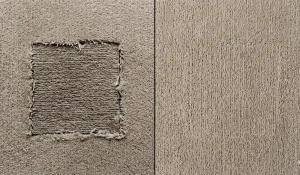
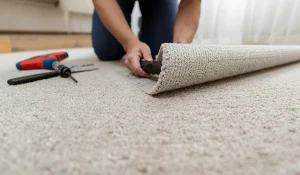
Faced with a small tear a week before inspection, plenty of tenants reach for a $15 carpet patch kit. Sometimes that’s genuinely fine. Other times, it turns a $60 professional fix into a $400 replacement claim, because a mismatched patch, visible glue line, or uneven nap is more obvious — and more expensive to correct — than the original damage. Before you attempt a fix yourself, it’s worth reading when DIY carpet repair makes things worse, especially if the damage is anywhere a property manager will be looking closely, like a doorway or hallway.
Key takeaway: a rushed, visible repair can cost you more at bond time than doing nothing at all.
Who Actually Pays: You, Your Landlord, or Insurance?
This is the question that causes the most disputes. In general:
- Tenants are financially responsible for damage they caused (burns, tears, pet damage, stains).
- Landlords are responsible for pre-existing damage and normal wear and tear.
- Insurance or bond may cover some damage depending on the lease terms and how the damage occurred.
If you’re not sure where a specific repair bill should land, this guide to whether carpet repair is covered by insurance or your rental bond is worth reading before you agree to pay for anything out of pocket.
When Repair Isn’t Enough Anymore?
Sometimes the honest answer isn’t “clean it” or “repair it” — it’s “it’s too late.” Carpet that’s delaminating, has multiple unrepairable tears, or has extensive water damage may be past the point where a patch or restretch will hold. If you’re trying to figure out which category your carpet falls into, these signs it’s too late for carpet repair will save you from paying for a fix that won’t last through the final inspection anyway.
And if you’re weighing up whether it’s smarter to repair an older carpet or simply have it replaced before you move out, this comparison of repairing old carpet versus installing new budget carpet lays out the real cost difference.
What a Pre-Inspection Carpet Checklist Should Actually Include?
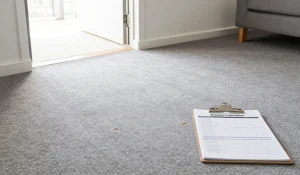
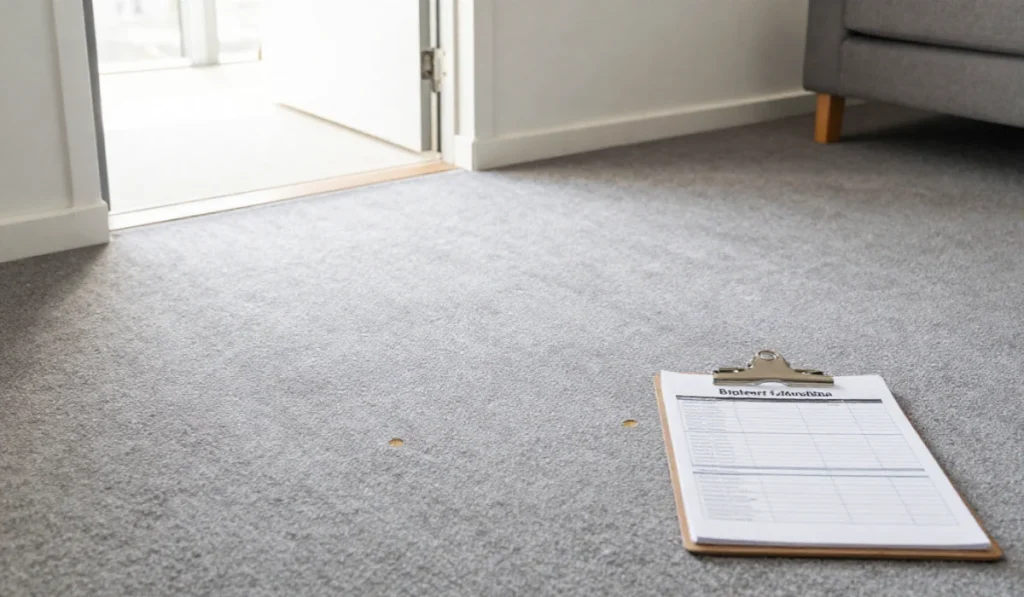
Before you book a cleaner, walk the property with this list:
- Check every doorway seam for fraying, gaps, or lifting.
- Inspect high-traffic paths — hallways, in front of couches, near beds — for flattening, rippling, or thinning.
- Look for burns, stains, or tears anywhere furniture has been moved.
- Note any pre-existing damage from your entry condition report so you’re not blamed for it.
- Get repair quotes first, cleaning second — repairs can shift the cleaning requirements (e.g. a patched section may need spot cleaning to blend).
If your budget is tight and you want a realistic number before committing to anything, carpet repair cost per square metre in Australia gives you current pricing so you’re not guessing.
The Bottom Line
Carpet cleaning proves you looked after the property day to day. Carpet repair proves the property is structurally the same as when you moved in. Final inspections check for both — and only one of them can be solved with a bottle of cleaner and a rented steam machine. Sort the damage first, clean second, and you’ll walk into your final inspection with nothing left to negotiate.
Get Your Bond-Ready Carpet Assessed Before It’s Too Late
Don’t wait for the final inspection to find out whether your carpet needs cleaning, repair, or both. Rapid Carpet Repairs specialises in fast, seamless end-of-lease carpet repairs across Sydney, Melbourne, Brisbane, Adelaide, Perth and Canberra — same-day service available, with repairs matched so closely to your existing carpet that inspectors won’t spot the difference.
Call Rapid Carpet Repairs today on 0480 022 382 for a free, no-obligation quote before your inspection date locks in.
Frequently Asked Questions
Ques 1. Do I need to repair carpet damage before my final inspection, or just clean it?
Ans. Both, if there’s actual damage. Cleaning removes dirt and odour; repair fixes tears, burns, or loose seams. A clean carpet with structural damage can still cost you part of your bond.
Ques 2. Will my landlord accept a DIY carpet patch instead of a professional repair?
Ans. They can, but a visible or poorly matched patch often draws more attention at inspection than the original damage, and may still be rejected as an incomplete repair.
Ques 3. Is normal carpet wear something I have to pay for at the end of a lease?
Ans. No. Fair wear and tear — like minor fading or slight flattening from foot traffic — is the landlord’s responsibility, not yours.
Ques 4. How much does end of lease carpet repair cost in Australia?
Ans. It varies by damage type and size, but most seam repairs, patches, and small burn fixes are far cheaper than a full carpet replacement or a bond deduction.
Ques 5. How soon before my inspection should I book a carpet repair?
Ans. As early as possible. Booking at least a week ahead gives time for the repair to be completed properly and for cleaning to happen afterward, rather than rushing both on the same day.
Ques 6. Can carpet repair be done on the same day as my inspection?
Ans. In many cases, yes — same-day repair services exist for exactly this situation — but it’s safer to book ahead so there’s no risk if the damage turns out to be more extensive than expected.
If you’re staring down a tear, a lifting seam, or a rippled patch with your inspection date looming, get it assessed properly before you decide whether it’s a cleaning job, a repair job, or both.